
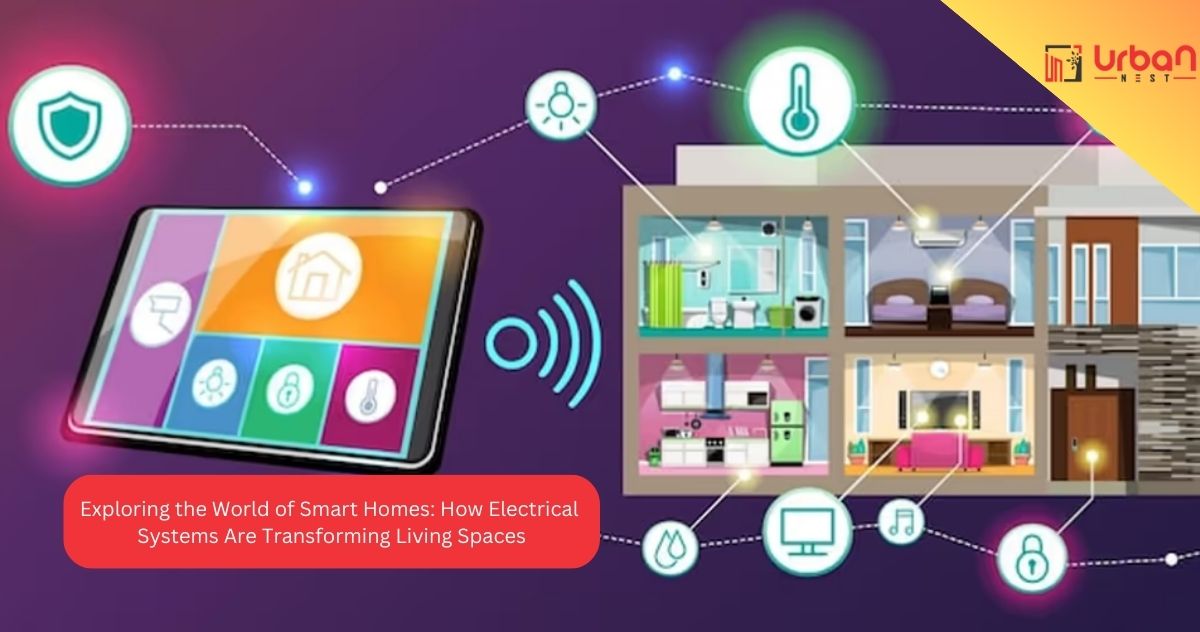
The concept of a smart home is no longer a vision of the future; it's a reality that's reshaping the way we live. From thermostats that learn your preferences to lights you can control with your voice, smart technology is revolutionizing our living spaces. At the heart of this transformation are electrical systems that have evolved to accommodate these advancements. In this blog, we'll take a journey into the world of smart homes and see how electrical systems are playing a pivotal role in this exciting evolution.
The Rise of Smart Homes
The term "smart home" refers to a residence that uses Internet-connected devices to enhance the efficiency, convenience, security, and comfort of its inhabitants. It's a fusion of technology and daily living that aims to simplify tasks, conserve resources, and provide a more enjoyable lifestyle.
The Central Role of Electrical Systems
To understand how smart homes work, let's first look at the essential role of electrical systems within these spaces:
Power Distribution: Traditional homes rely on electrical wiring to distribute power throughout the building. Smart homes build on this foundation, enabling control over the entire electrical system through digital interfaces. Smart circuit breakers, for example, can be controlled remotely, providing homeowners with the ability to manage power distribution efficiently.
Automation: Automation is at the core of a smart home. Electrical systems are equipped with sensors and actuators that enable automation of various tasks. For example, lights can be programmed to turn on and off based on occupancy or natural light levels, thereby saving energy and enhancing security.
Energy Management: Smart homes are designed to be energy-efficient. Electrical systems play a pivotal role in monitoring energy consumption. Smart meters provide real-time data on electricity usage, allowing homeowners to make informed decisions about energy conservation.
Connectivity: The hallmark of a smart home is connectivity. Electrical systems are integrated with the Internet of Things technology, allowing devices to communicate with each other and with homeowners through smartphones and other devices. This connectivity is often facilitated through a home automation hub or a smart speaker.
Safety and Security: Electrical systems are essential for ensuring the safety and security of a smart home. Smart smoke detectors, carbon monoxide detectors, and security cameras are all part of the electrical infrastructure, providing real-time alerts and remote monitoring capabilities.
Key Components of Smart Electrical Systems
Now, let's delve into some of the key components that make up the electrical systems of a smart home:
Smart Lighting: Lighting is one of the most noticeable upgrades in a smart home. Smart bulbs and switches allow for remote control, scheduling, and even color customization. They can also integrate with voice assistants like Amazon Alexa and Google Assistant for hands-free control.
Smart Thermostats: Smart thermostats learn your heating and cooling preferences and can adjust temperatures automatically to save energy. They can also be controlled remotely, ensuring that you come home to a comfortable environment.
Smart Outlets and Plugs: These devices can turn traditional appliances into smart ones. You can control them remotely, set timers, or even monitor energy consumption. This is a cost-effective way to make existing devices in your home smarter.
Smart Home Hubs: Hubs act as the central control point for all your smart devices. They allow different devices to communicate with each other and can be operated through a smartphone app or voice commands.
Home Energy Management Systems: These systems provide detailed insights into your energy usage. They can optimize your energy consumption by scheduling high-energy activities during off-peak hours or by coordinating with renewable energy sources like solar panels.
Smart Security Systems: These encompass everything from smart locks and doorbells to security cameras and alarms. They offer remote monitoring, alerts, and the ability to grant access to visitors even when you're not at home.
The Future of Smart Homes and Electrical Systems
As technology continues to advance, the possibilities for smart homes are virtually limitless. Here are a few trends that we can expect to see in the coming years:
Integration of AI: Artificial intelligence will play a more prominent role in smart homes, with systems becoming even smarter and more capable of understanding and responding to homeowner'spreferences.
Increased Sustainability: Smart homes will continue to prioritize energy efficiency and sustainability. More homeowners will invest in renewable energy sources like solar panels and energy storage systems.
Health and Wellness Monitoring: Smart homes will integrate health and wellness monitoring devices, allowing occupants to track vital signs and receive health-related insights.
Enhanced Security: Security systems will become even more sophisticated, with features like facial recognition and advanced analytics to identify potential threats.
Interoperability: Standards and protocols for smart home devices will continue to evolve, making it easier for devices from different manufacturers to work seamlessly together.
In conclusion: the world of smart homes is a captivating blend of cutting-edge technology and the fundamental electrical systems that power our lives. These electrical systems are not just making our lives more convenient; they're also contributing to energy conservation, safety, and sustainability. As we look to the future, it's clear that the integration of technology and electricity will continue to transform our living spaces, offering us more control, comfort, and peace of mind than ever before. The smart home revolution is well underway, and the possibilities are electrifying.
Leave a Reply
Your email address will not be published. Required fields are marked *